Can You Replace a Roof in Winter in St. Louis? (2026 Homeowner’s Guide)
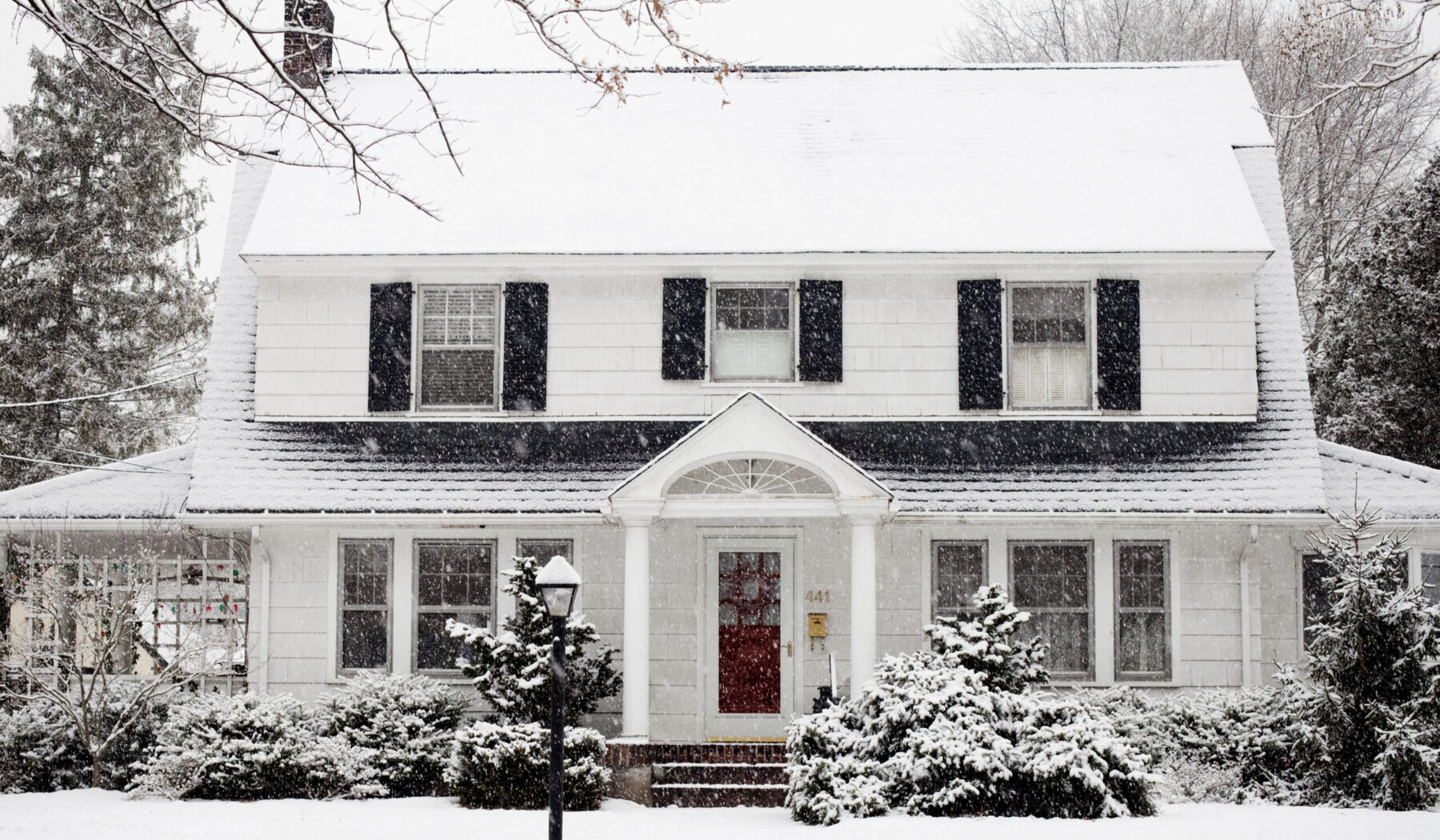
Yes. Asphalt shingles can be installed through a St. Louis winter. What changes in cold weather is the installation method, not the permission.
Cold weather does not automatically mean roofing work has to stop. What matters is whether the conditions that day allow the roofing materials to be handled and installed properly.
Temperature is part of that decision, but it is not the only factor. The temperature of the shingles themselves, sunlight, wind, moisture, frost, and the condition of the roof deck all need to be considered.
If you have been told flatly that roofing stops when the temperature drops, that is worth a second look.
Can Asphalt Shingles Be Installed During Winter?
Yes. Asphalt shingles can be installed during colder months, but they behave differently than they do on a warm summer day.
As temperatures fall, shingles can become less flexible and may take longer to naturally seal. Lighter-colored shingles, such as GAF Timberline HDZ® Shasta White, may also absorb less heat from the sun than darker shingles, which can affect how quickly they warm during colder weather.
GAF’s cold-weather guidance notes that temperatures above approximately 40°F are preferable for easier handling. However, that does not mean 40°F is a universal cutoff for installing a roof.
A roofing contractor should consider the combination of:
- Outdoor temperature
- Temperature and flexibility of the shingles
- Sun exposure
- Roof orientation
- Wind
- Moisture or frost
- Expected weather throughout the day
The question is not simply, “Is it above 40 degrees?” The better question is, “Are the conditions right to install this roofing system properly today?”
Does Cold Weather Void a Roof Warranty?
A roof installed during the winter can still qualify for the applicable manufacturer warranty when it is installed according to the manufacturer’s requirements.
The season itself does not automatically determine warranty coverage.
What matters is proper installation and following the manufacturer’s instructions for the roofing system being used.
As a GAF Master Elite® contractor, St. Louis Residential Roofing installs GAF roofing systems according to manufacturer requirements and reviews applicable warranty options with homeowners before the project begins.
The Roof Deck Needs to Be Dry
One of the biggest considerations during winter roofing is not simply the temperature — it is moisture.
Roofing materials should not be installed over a roof deck covered with frost, ice, snow, or excessive moisture.
A cold but dry and sunny winter day can sometimes provide better installation conditions than a warmer day with rain, heavy moisture, or strong winds.
This is one reason winter roofing schedules may need to remain flexible. A crew may wait for frost to clear or adjust the start time based on conditions at the home.
The Case Against Waiting Until Spring
If your roof is sound and you are planning ahead, waiting is fine. Plan the work for whenever suits you. If your roof is already compromised, waiting has a cost, and it is a specific one.
St. Louis sees roughly 65 freeze-thaw crossings a year, meaning days when the temperature drops below freezing overnight and climbs back above it during the day, and the large majority of them fall between November and March.
Sixty-five cycles is a lot of expansion and contraction for a roof that already has a crack, a lifted shingle, a failed sealant joint or a separated flashing. Water works into a defect, freezes, expands, and the defect gets bigger.
If your roof was damaged in a storm, homeowners policies commonly require prompt notice of a loss and often set a deadline for completing repairs in order to recover withheld depreciation under replacement-cost coverage. Those limits are set by your policy, not by Missouri law, and they vary. If a storm went through and you have not yet filed, read your declarations page and call your carrier rather than assuming spring is soon enough.
When We Will Tell You to Wait
We would rather turn down a January job than do one badly, and there are conditions where we will say so:
High wind. Unsealed shingles and wind are a poor combination, and so are crews on a roof in a gale.
Active precipitation, or a deck that will not dry. Tear-off exposes the deck, and the deck has to be dry before anything goes back down.
Frost that is not going to burn off. On an overcast day below freezing, a shaded north slope may not clear at all.
Sustained extreme cold. On the handful of days a year that stay well below freezing from dawn to dusk, shingle brittleness and membrane adhesion both stop cooperating, and pushing through is how you get cracked shingles that are not covered by anyone’s warranty.
Frequently Asked Questions
Can you replace a roof in the winter in St. Louis?
Yes. Asphalt shingle roofs can be replaced during the winter when weather and roof conditions allow the materials to be installed properly. Temperature matters, but so do sunlight, moisture, wind, the temperature and flexibility of the shingles, and the condition of the roof deck.
Is there a minimum temperature for installing asphalt shingles?
Not necessarily. Approximately 40°F is commonly referenced because shingles are generally easier to handle as temperatures become warmer. However, roofing decisions should not be based on air temperature alone.
The roofing contractor should evaluate the shingles, roof surface, sunlight, moisture, wind, and expected conditions throughout the installation.
Will a roof installed in winter still be under warranty?
Yes. A roof installed during the winter can still qualify for the applicable manufacturer warranty when it is installed according to the manufacturer’s requirements.
GAF states that its shingle warranty “will remain in effect regardless of the air temperature at the time of installation,” and neither the Golden Pledge® nor the Silver Pledge™ enhanced warranty contains any temperature or season-of-installation condition. The warranty does exclude damage such as cracking, blow-offs before the sealant activates, foot damage and tearing, but those exclusions apply year-round and describe installation damage rather than product defects. The practical requirement is that the roof be installed strictly in accordance with GAF’s application instructions, which in cold weather means the shingles have to be hand-sealed. Eligibility, coverage, exclusions, and registration requirements will be reviewed with you before the work begins.
Should I wait until spring to replace a damaged roof?
It depends on the condition of the roof. If your roof is performing well and you are simply planning a future replacement, waiting may be an option.
If there is an active leak, storm damage, damaged shingles, failing flashing, or another problem allowing water into the roofing system, waiting through several additional months of winter weather could allow the damage to progress. An inspection can help determine whether the roof can safely wait.
Get an Honest Look at Your Roof Before Winter
If your roof took a hit this year, if it is fifteen years or older, or if you have been putting off a decision and are wondering whether you can still get it done, we will come look at it and tell you where you stand.
Inspections are free and there is no pressure. If the roof can safely wait until spring, we will tell you that. If it cannot, we will explain exactly why and what we would do about it.
We serve homeowners throughout the St. Louis metro, including St. Louis County, St. Charles County, Jefferson County, and the Metro East communities of Edwardsville, Belleville, and O’Fallon, Illinois.
Missouri: (314) 248-3544 | Illinois: (618) 312-6677